Craving a low-key beach retreat you can reach after work on a Friday? If you live in the Portland–Vancouver area, Long Beach on Washington’s peninsula often checks the boxes: accessible drive, broad sandy beaches, small-town pace, and homes that are still more affordable than many West Coast hotspots. Still, a great second-home choice comes down to more than vibes.
In this guide, you’ll learn how Long Beach stacks up for a second home, from drive time and price context to short-term rental rules, taxes, coastal hazards, insurance, and financing. You’ll also get a simple checklist so you can move from daydream to decisive. Let’s dive in.
Why Long Beach attracts weekenders
If your ideal getaway is close enough for spontaneous trips, Long Beach is in reach. The drive from Portland is roughly 2 to 2.5 hours depending on route and traffic, which makes it practical for weekend use and holiday breaks. You can confirm typical travel time with this Portland to Long Beach drive-time reference from TravelMath’s calculator.
Home values are a draw too. Recent home-value indices place typical Long Beach prices in the low to mid 300s as of early 2026. Inventory often includes smaller cottages and beach houses, with premiums for ocean views and proximity to the sand.
Seasonally, you’ll feel the peninsula come alive in summer. The city’s events calendar features beach-focused gatherings and the renowned Washington State International Kite Festival, which pair nicely with wide, walkable shoreline and nearby Cape Disappointment State Park.
Short-term rental rules you must know
If part of your plan is to rent the home when you are not using it, build your approach around Pacific County’s vacation-rental program. The county’s official Vacation Rental License and Permit packet is the rulebook.
License basics
- License required before renting. Pacific County requires a vacation rental license, with annual renewal. Your application includes a property management plan and a floor plan showing sleeping areas.
- Local point of contact. You must list a contact who can respond to issues and is located within one hour of the property. Changes require county approval and neighbor notifications.
- Where STRs are allowed. Eligibility depends on both the county license and local zoning. Confirm zoning and permitted use with the Pacific County Department of Community Development resources before you buy.
Occupancy and safety standards
- The standard cap is two overnight occupants per bedroom plus two additional occupants, not to exceed ten total. Your posted floor plan and actual setup must match.
- Fire and life-safety requirements include detectors, extinguishers, egress, a posted 911 contact sheet, and inspections as the program specifies.
Septic and utilities
- If the home uses on-site septic, an operations and maintenance inspection is required before initial licensing and then at intervals set by the health authority. A failed system must be addressed before a license is granted.
Fees and timing
- The county packet outlines fee categories. A typical permitted-use application totals about 975 dollars, while special-use cases can total about 2,175 dollars. Special-use paths can also add hearings and extra processing time. Confirm current amounts before you apply.
Taxes and registrations for renting
If you plan to rent for stays under 30 days, expect the usual business and lodging framework in Washington.
- Business registration. You will need a Washington state business license and UBI. Hosts are responsible for correct collection and remittance of retail sales tax and applicable lodging taxes. Check the county’s DCD page for contact points and guidance.
- Lodging tax. Pacific County has a local lodging-tax framework authorized by county ordinance. Confirm the current percentages for state-shared and local lodging taxes and whether your booking platform remits any of these taxes on your behalf.
- Property tax. Pacific County property tax bills are often lower than many urban Washington counties, but levy rates vary by parcel. Review the assessor’s details for each home you consider.
Seasonality and rental potential
Rental demand is highly seasonal. Summer months are the revenue engine, with weekends and event weeks capturing premium rates. Shoulder seasons attract visitors for clamming, fishing, and hiking, and some winter weekends get a lift from storm watching and special events. You can scan the city’s events page to see how weekends cluster.
Two practical notes when you model revenue:
- Summer is peak season. Expect the bulk of yearly bookings and revenue to cluster in a few months. Nightly rates and occupancy often drop sharply in the off-season.
- Small markets can be variable. Weather, local events, and inventory shifts can swing results year to year. If revenue matters to your plan, get address-level comps through a paid STR data tool or a local property manager, and stress test your numbers with conservative off-season assumptions.
Coastal hazards and insurance
Long Beach sits on a low, sandy peninsula. That setting is part of the magic, and it also means you should evaluate flood, tsunami, and shoreline dynamics for any specific parcel.
Flood zones and insurance quotes
- Lenders may require flood insurance if a home is mapped in a Special Flood Hazard Area. Pricing depends on elevation, construction, and claims history. Get quotes from the National Flood Insurance Program and private carriers during due diligence. This Washington flood-insurance overview is a helpful starting point for understanding how premiums vary by site and structure.
Tsunami planning and guest safety
- The state provides tsunami evacuation maps and walk-time resources that cover Long Beach and nearby communities. Identify your property’s evacuation routes and assembly points, and plan how you will post and communicate this information for guests.
Shoreline change and storms
- Parts of the southwest Washington coast experience dynamic shoreline behavior, with pockets of erosion and accretion. If you are considering oceanfront or dune-adjacent properties, be prepared for parcel-specific assessments and, in some cases, additional permitting steps for larger repairs or projects.
Property choice: condo vs cottage
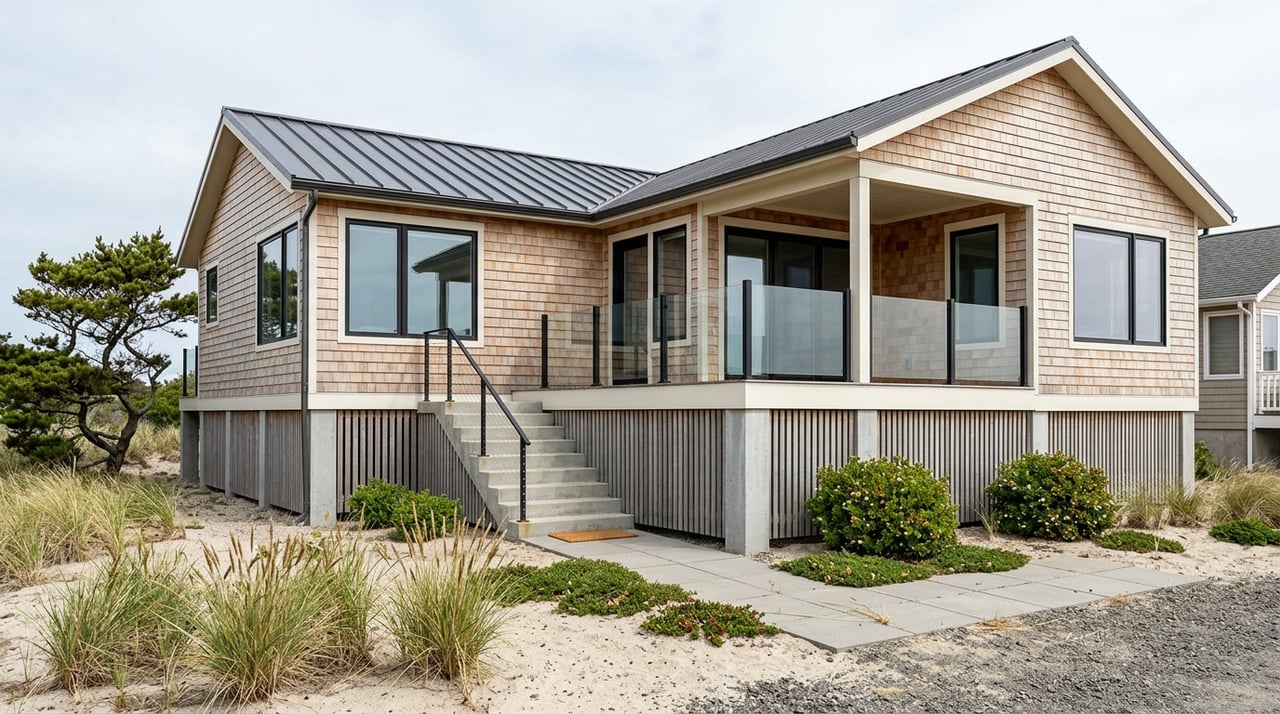
Inventory on the peninsula leans toward single-family cottages and small beach houses, with some condo options near town centers. Your fit will depend on how you want to use the home and how much time you want to spend on upkeep.
- Single-family cottage or house. You get more control over use and setup, and potentially higher nightly rates if you are near the beach. Plan for more hands-on maintenance, and pay close attention to septic capacity and ongoing operations and maintenance if the property is not on city sewer.
- Condo with an HOA. You may trade yard work for HOA dues and shared maintenance, which can be ideal for quick weekend getaways. Some HOAs restrict or prohibit short-term rentals, and special assessments can occur for building or shoreline projects. Review covenants and rental policies before you write an offer.
Financing: second home vs investment
How you plan to use the property drives how most lenders will classify the loan. Agency guidance distinguishes a second home from an investment property, and the rules affect your down payment, reserves, rate, and how income is treated.
- Second home basics. To qualify as a second home, you typically need to occupy it yourself for part of the year, it must be a one-unit dwelling suitable for year-round use, and you cannot give a third-party manager control over occupancy. Rental income generally cannot be used to qualify. See Fannie Mae’s occupancy types for the formal definitions.
- Down payment and pricing. Many lenders set minimum down payments around 10 percent for second homes, with somewhat higher rates and reserve requirements than a primary residence. Investment-property loans often require larger down payments and reserves.
- Use the correct loan type. If your plan is primarily commercial short-term rental use, expect investment loan terms. Be transparent with your lender. Misclassifying occupancy can lead to serious consequences.
Management, operations, and local logistics
You will need a clear plan for who will respond locally, how you will handle safety and guest communication, and how you will keep the home in top condition.
- Property management plan. Pacific County requires an approved management plan with your license. It must cover garbage removal, parking, emergency information, and a landline phone, and it must list a local contact within one hour. The county includes neighbor notification in the process.
- Operating costs. Budget for utilities, taxes, insurance, county inspections and license renewals, cleaning, linens, supplies, platform fees, maintenance reserves, and, if applicable, HOA dues. Coastal exposure can accelerate wear, so plan a healthy maintenance buffer.
Buyer checklist: Long Beach due diligence
Use this as a working list when you evaluate homes on the peninsula.
- Confirm zoning and STR eligibility. Verify whether the parcel allows vacation rentals outright or requires a special-use review using Pacific County DCD resources.
- Study flood risk and get quotes. Pull the FEMA flood map for the address if available and request an elevation certificate. Get both NFIP and private flood-insurance quotes early.
- Review tsunami evacuation routes. Check the state’s tsunami resources for your property’s route and assembly area, and confirm you can post clear instructions for guests.
- Inspect septic systems. If the home is on septic, require a current operations and maintenance inspection. Factor potential repairs into your budget.
- Plan your tax and license workflow. Register your business, confirm sales and lodging tax collection steps, and review Pacific County’s lodging tax ordinance so you know which taxes apply and how remittance works.
- Choose your financing path. Decide whether your intended use fits a second-home loan or an investment loan, and get pre-approved under the correct occupancy type with guidance from Fannie Mae’s standards.
- Model conservative revenue. If rental income matters, use address-level comps from a paid STR tool or a local manager. Stress test your cash flow with off-season assumptions.
- Estimate total carrying costs. Tally insurance, taxes, utilities, license fees, management or cleaning, and HOA dues if applicable. Build in reserves for coastal wear and unexpected fixes.
Is Long Beach right for you?
If you want a practical, budget-friendlier beach base within an easy Portland–Vancouver drive, Long Beach deserves a spot on your shortlist. The area’s summer energy, broad beaches, and small-town rhythm are hard to beat. You will want to approach the purchase with clear eyes on licensing, taxes, flood and tsunami planning, and the realities of seasonal demand. With good due diligence and the right loan structure, a Long Beach home can serve as both your personal retreat and a carefully managed rental when it fits your schedule.
Ready to compare neighborhoods, screen properties for STR eligibility, and map out a clean path from offer to closing? Reach out to the McNamara Group for a conversation tailored to your goals.
FAQs
How long is the drive from Portland to Long Beach, WA?
- Typical drive time is about 2 to 2.5 hours depending on route and traffic. You can check a specific route with this Portland to Long Beach drive-time calculator from TravelMath.
What permits do I need to run a short-term rental in Long Beach?
- Pacific County requires a vacation rental license before you host, with a management plan, floor plan, safety features, local contact within one hour, and inspections. Review the county’s Vacation Rental License and Permit packet for details.
How do lodging and sales taxes work for vacation rentals in Pacific County?
- STR hosts must handle business registration, collect retail sales tax, and pay applicable lodging taxes. Pacific County’s lodging tax is authorized by county ordinance, so verify current percentages and whether your platform remits any portion on your behalf.
How risky are flood and tsunamis for Long Beach properties?
- Risk is parcel specific. Many peninsula properties sit at low elevations, so lenders may require flood insurance if a home is in a mapped high-risk zone, and the state provides tsunami evacuation maps and walk times. Get flood quotes early and review your address on Washington’s tsunami resources.
What financing fits if I plan to use the home and rent it sometimes?
- If you will occupy the home part of the year and keep control of occupancy, a second-home loan may fit, but rental income generally cannot be used to qualify. If your plan is primarily rental use, expect investment-property terms. See Fannie Mae’s occupancy types for definitions.