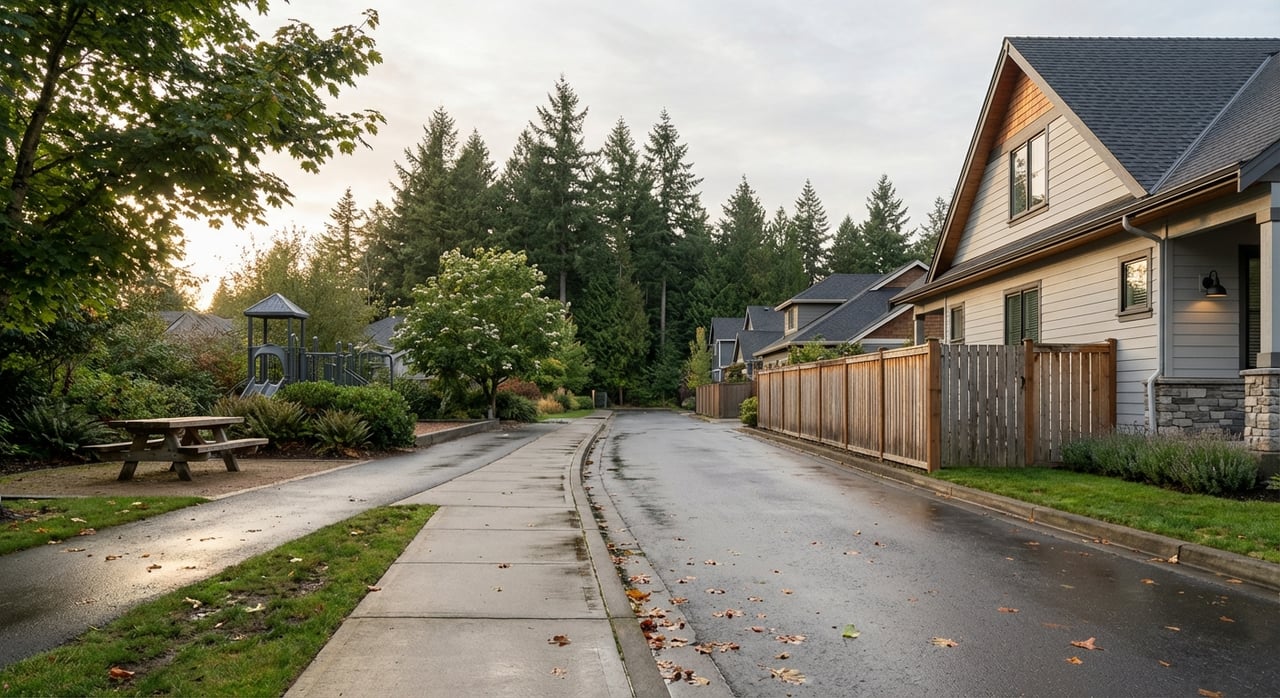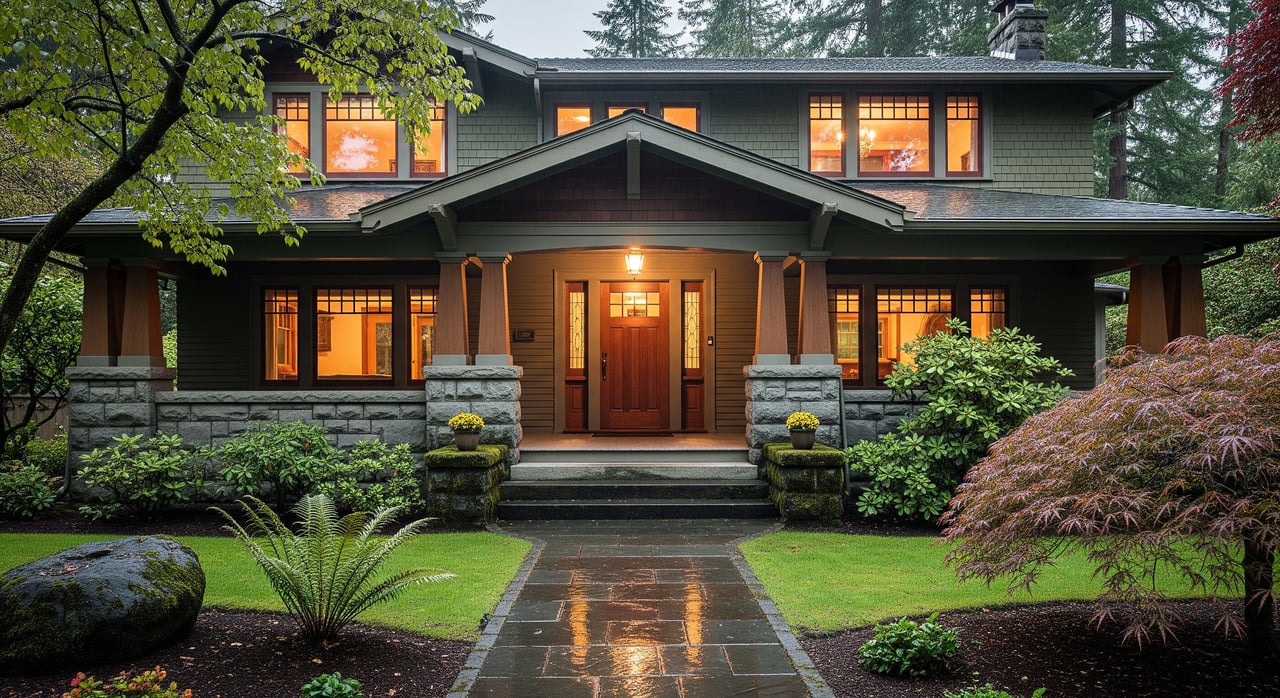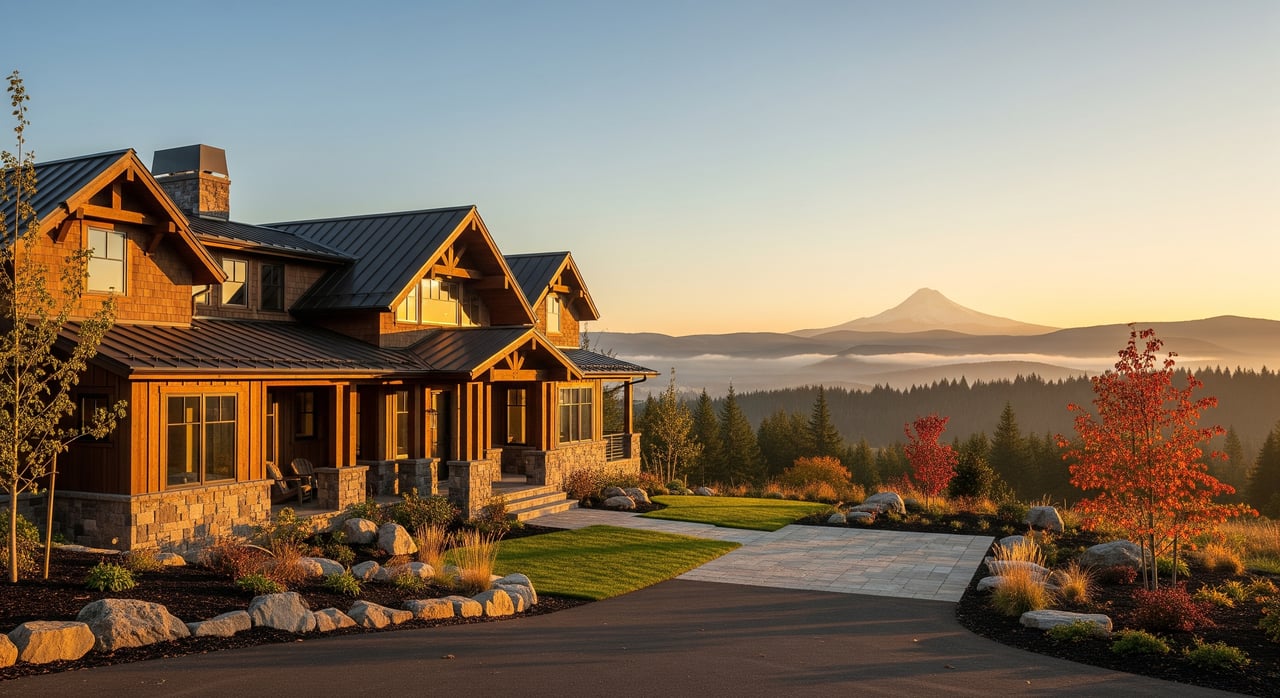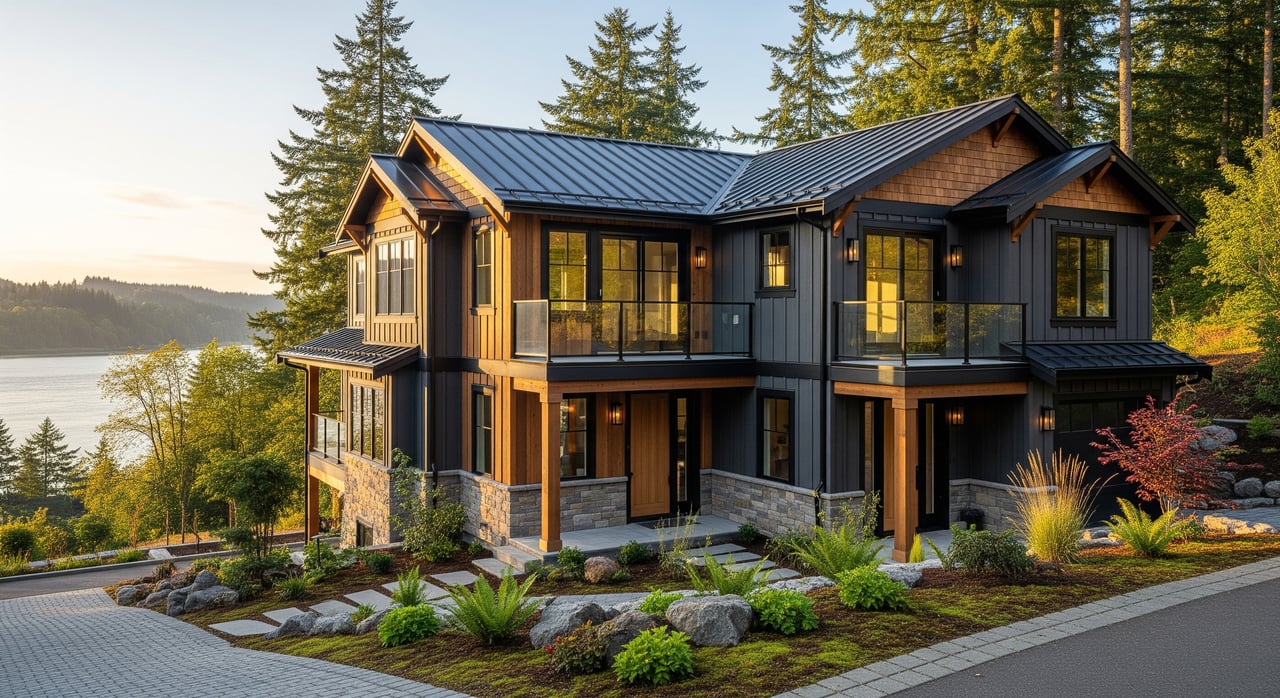
Thinking about a duplex in Kalama? With its Columbia River setting, I‑5 access, and steady demand from local and regional workers, Kalama can offer durable rental income on a manageable scale. You also face small‑market tradeoffs like fewer comps and slower resales, which makes smart underwriting essential. In this guide, you’ll learn what to look for, how to run the numbers, financing paths, key risks, and a step‑by‑step plan to move forward with confidence. Let’s dive in.
Why Kalama duplexes appeal
Kalama is a small Cowlitz County city with limited housing stock and lower listing volume than nearby metro areas. That means you may see less competition on some deals, but you should expect reduced liquidity and potentially longer marketing times on resale. Plan your hold period with that in mind.
I‑5 connectivity supports renter demand from people working in Longview, Woodland, Kelso, and at industrial employers such as port and logistics operations. With fewer large apartment complexes nearby, well‑kept duplexes often compete favorably against single‑family rentals for stable tenants.
If you are comparing Kalama to larger markets, remember that a smaller data sample can skew comps. Balance online research with conversations with local property managers and a careful review of public records.
What to look for in a Kalama duplex
Unit layouts and amenities
Side‑by‑side duplexes with two separate entrances can be easier to lease and manage, especially if you plan to live in one unit. Prioritize practical features tenants value: 2–3 bedrooms, in‑unit laundry, off‑street parking, and some private outdoor space. Aim for layouts that reduce noise transfer between units.
Utilities and metering
Separate meters for electric, gas, and water make expenses predictable and simplify billing. If any utilities are shared, document how costs are allocated and budget for collection risk. Confirm whether the property is on municipal water and sewer or a private well and septic. Septic systems require routine care and can be a major capital expense if replacement is needed.
Zoning and legal use
Confirm that the structure is legally permitted as a duplex, not an unpermitted conversion. Verify zoning, setbacks, and parking requirements at the parcel level with the City of Kalama planning staff. You can start with the city’s website and request current zoning and permit records from the building department: City of Kalama.
Site risks and inspections
Kalama’s river proximity makes floodplain review a must. Check the FEMA Flood Map Service Center for flood zone status and potential insurance requirements. During inspection, pay close attention to roof age, foundation condition, drainage, moisture or rot, and any signs of pest activity. If the property is not on municipal sewer, obtain septic records and the tank’s age and capacity.
Underwriting the numbers
Core metrics you should run
- Gross Scheduled Income (GSI): sum of potential rents if fully leased.
- Vacancy allowance: use a conservative 5–10 percent as a starting range for a small market. Calibrate with input from a local property manager.
- Effective Gross Income (EGI): GSI minus vacancy, plus any other income such as parking or laundry.
- Operating Expenses: taxes, insurance, landlord‑paid utilities, routine maintenance, management, legal/accounting, and reserves.
- Net Operating Income (NOI): EGI minus Operating Expenses.
- Cap Rate: NOI divided by purchase price.
- Cash‑on‑Cash Return: annual cash flow after debt service divided by your total cash invested (down payment, closing costs, and initial repairs).
- GRM (Gross Rent Multiplier): purchase price divided by annual gross rent.
Run a base case and a stress case with higher vacancy and maintenance to see how your returns hold up. In a small market, underwriting discipline is your edge.
Reserves and allowances
- Short‑term maintenance reserve: budget 5–10 percent of gross rents in your operating plan.
- Major capital reserve: a common rule of thumb is 1 percent of property value per year. Adjust for known component ages.
- Line‑item major systems: roof, HVAC, water heaters, windows, siding, and any shared systems should have realistic replacement schedules and quotes from local contractors.
Financing paths for 2‑unit properties
Owner‑occupied options
If you plan to live in one unit, you may qualify for lower down payment programs for 2–4 unit properties. FHA and VA both allow owner‑occupant financing for duplexes, subject to program rules and lender overlays. Review official guidance and speak with multiple lenders for terms and reserves.
- FHA overview: U.S. Department of Housing and Urban Development
- VA home loans: U.S. Department of Veterans Affairs
Conventional owner‑occupied loans are also available for 2‑unit homes and can require less down than investor loans, though rates and mortgage insurance vary by borrower profile.
Non‑owner investor loans
Conventional investment loans typically require larger down payments and carry higher rates. Portfolio lenders and community banks may be flexible on small duplexes, but they will scrutinize your experience and the property’s cash flow. Compare offers for LTV, rate, fees, required reserves, and any debt service coverage ratio requirements.
Bridge and rehab lending
For value‑add opportunities or quick closes, hard money or bridge loans can fit. They are best used short term, with a clear plan and timeline to refinance into permanent debt once renovations and lease‑up are complete.
Operating costs and management in Cowlitz County
Recurring expenses to expect
Budget for property taxes, landlord insurance, flood insurance if required, utilities you pay, lawn care, routine maintenance, legal/accounting, and advertising or screening fees. Get insurance quotes early, especially if the property is near a floodplain.
Maintenance and capital planning
Create an age inventory at purchase: roof, HVAC, water heaters, windows, siding, foundation, and any septic components. Use the inspection report to map immediate repairs, 0–3 year items, and 3–10 year replacements. A proactive plan helps you avoid emergency calls and surprise costs.
Management choices and fees
- Self‑management can save money, but it requires hands‑on involvement in leasing, rent collection, maintenance, and compliance.
- Professional property management typically runs about 6–12 percent of gross rent, with separate leasing or placement fees. Ask candidates for references, vacancy statistics, and a sample P&L for similar Cowlitz County properties.
Compliance and risk checkpoints
- Landlord‑tenant law: Washington’s Residential Landlord‑Tenant Act sets rules for deposits, notices, and evictions. Review the statute and updates at the Washington State RCW site.
- Local rules: Confirm whether Kalama or Cowlitz County requires rental licensing or registration. Many small cities do not, but always verify with the city.
- Building and safety: Validate legal duplex status via permits and, if applicable, a certificate of occupancy. Properties built before 1978 require lead‑based paint disclosures; check for any environmental issues identified during inspection.
- Flood and insurance: Use FEMA maps to determine flood risk. If a lender requires NFIP coverage, obtain quotes in advance.
Due diligence checklist
- Financials: current rent roll, leases, deposit ledger, utility history, recent P&L, and seller disclosures with repair records.
- Physical: full inspection of structure, roof, electrical, plumbing, HVAC; verify separate meters; check grading, drainage, moisture, and pests.
- Title: search for liens and easements through the county recorder or auditor.
- Zoning and use: confirm legal duplex status and any expansion potential with city planning.
- Insurance quotes: landlord policy and, if needed, flood insurance before closing.
- Rental comps: gather 6–12 nearby rentals of similar size and condition; verify with a local property manager when possible.
- Exit plan: consider who will buy from you later, and how unit separation, metering, and curb appeal affect that buyer pool.
A practical 30‑day action plan
- Pull parcel tax and sales data for your target area using the Cowlitz County website.
- Check flood status for any short‑listed properties at the FEMA Flood Map Service Center.
- Call the City of Kalama to confirm zoning and legal duplex status for addresses on your list: City of Kalama.
- Get written quotes from at least two lenders. Compare rate, LTV, closing costs, reserves, and any DSCR requirements. Include owner‑occupied and investor options.
- Interview one or two local property managers for rent opinions, fee structures, and vacancy data.
- Build a simple pro forma with base and stress cases. Include vacancy, management, maintenance, and capital reserves.
- Schedule tours and a pre‑offer inspection walk with your inspector for the most promising property.
Partner with a local, process‑driven team
A Kalama duplex can be a strong addition to your portfolio when you match the right property with disciplined underwriting and local knowledge. Our team pairs fiduciary‑grade process with hands‑on support for investors, including clear due diligence checklists, coordination with title, and careful review of legal use and permits. If you want a calm, standards‑driven partner to help you find, evaluate, and close on a duplex in Cowlitz County, connect with the McNamara Group. We are ready to help you move forward with confidence.
FAQs
Are Kalama duplexes hard to resell compared to bigger cities?
- Small markets often have fewer buyers and longer marketing times, so plan for a longer hold and focus on features that widen your buyer pool such as separate entrances, separate meters, and strong curb appeal.
Do I need flood insurance for a duplex near the Columbia River?
- It depends on the parcel’s flood zone and lender requirements; check your address on the FEMA Flood Map Service Center and get quotes before you waive contingencies.
What financing options exist if I live in one unit?
- Owner‑occupants can explore FHA or VA (if eligible) programs for 2–4 units, as well as conventional owner‑occupied loans; compare terms with multiple lenders and review guidance at HUD and the VA Home Loan program.
How much should I budget for maintenance and reserves?
- A common starting point is 5–10 percent of gross rents for routine maintenance plus a separate major capital reserve around 1 percent of property value per year, adjusted for the age of systems like roof and HVAC.
What do property managers in Cowlitz County typically charge?
- For small residential multi‑unit properties, expect roughly 6–12 percent of gross monthly rent for management, with separate leasing or placement fees; always request a detailed fee schedule and local references.